Table Of Content
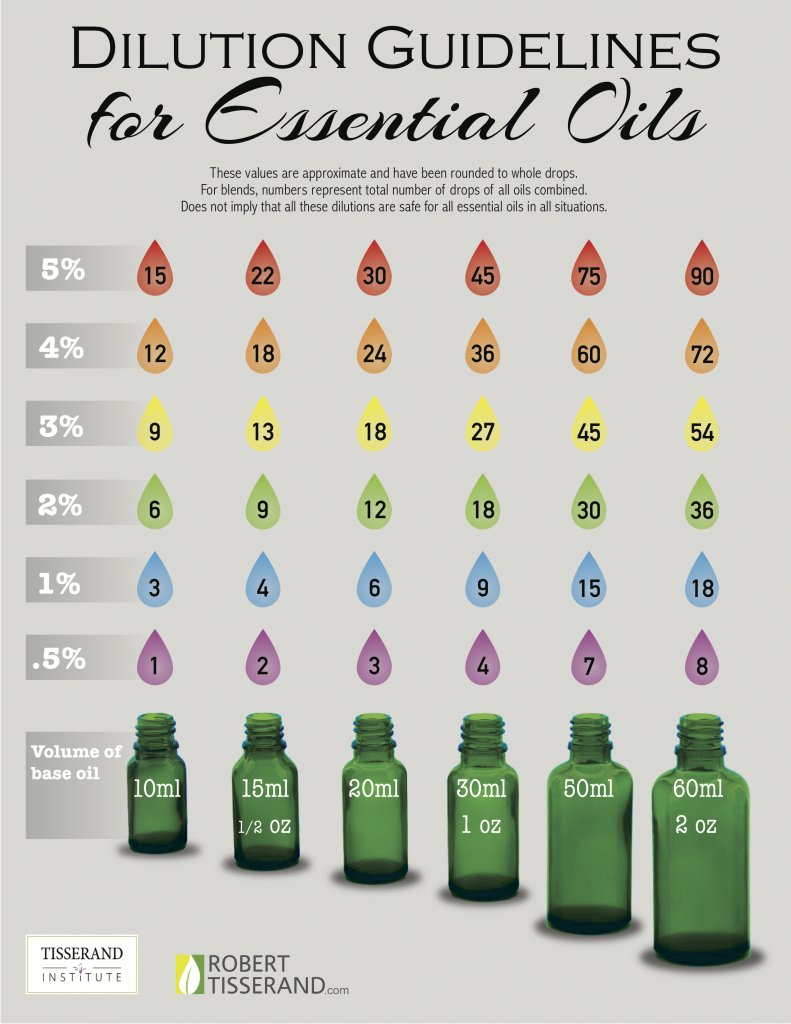
Essential oils need around nineteen minutes to travel through the skin and into the bloodstream to start working. The results of both groups were assessed using photographs and the condition improved in both groups throughout the trial, but the essential oil group performed significantly better. First, you will need to pick a carrier oil (aka base oil), which will be used to dilute the tea tree oil. Rosemary oil can also cause allergic or irritant contact dermatitis, so be on the lookout if you’re noticing anything out of the ordinary going on with your scalp or hair. If you're expecting to wake up the morning after using this oil with noticeable length or fullness, you're bound to be disappointed.
Choosing the Carrier Oil for Dilution
For example, if you want to make 10 ml of rosemary oil for hair growth, mix 3-4 drops with drops of carrier oil. There are very few negative side effects of using rosemary oil on your hair and scalp, as it’s well tolerated by most skin and hair types. Rosemary oil has a lot of benefits that could potentially lead to hair growth down the line, even if it isn't a proven method for growth. In this study, there were very little differences in the amount of hair growth between both groups. However, it's important to note that many dermatologists recommend 5 percent minoxidil for hair loss, not 2 percent. However, if you find minoxidil irritating on your scalp, you might wanna try rosemary oil, which caused significantly less scalp itching in the study.
How should I use rosemary oil for hair loss?
Made with rosemary, amla, and soothing aloe, this serum calms an irritated scalp, boosts overall shine, and stimulates hair growth. Not only is this oil dermatologist-formulated (Dr. Camille Howard-Verovic is the founder), but the blend is a minty delight. Rosemary takes the lead to reduce hair thinning, as spearmint oil stimulates the scalp and pumpkin seed oil strengthens and adds shine. However, if hair growth medication is not sufficient to stop your hair loss, you don’t need to worry, as you may still be a good candidate for a hair transplant.
How to Use Cedarwood Oil for Hair
Rosemary oil can be applied directly to your hair strands (it won’t cause damage), but it should be massaged into your scalp if you’re looking for the potential hair-growth benefits. Or, if you want to use it during the day, massage it on and pull your hair back into a sleek bun with a boar-bristle brush and a couple hair elastics to make the ~grease~ look purposeful. Rosemary oil is extracted from the leaves of the rosemary plant, which is native to the Mediterranean area. It's the same fragrant rosemary you season your veggies and garnish your cocktails with and is often considered an aromatic herb, like basil, lavender, and sage. Its fragrance is why it’s often used in perfume formulations, while its potential to help minimize inflammation is why it’s often found in skincare and haircare products. Here are a few ways to try using rosemary essential oil as a hair restorative and thickener.
How to use rosemary oil in your hair care routine
Yes, because of its nourishing properties, diluted rosemary oil can be used as a natural heat protectant for styling tools. Simply spritz it onto your hair before using heat styling tools to protect your hair from damage. Rosemary oil has long been used for its hair-strengthening and growth-promoting properties. Diluting rosemary oil with water is a simple yet effective way to harness its benefits for your hair.
The $8 SVA Organics Rosemary Oil Encourages Hair Growth Within Weeks - STYLECASTER
The $8 SVA Organics Rosemary Oil Encourages Hair Growth Within Weeks.
Posted: Wed, 11 Oct 2023 07:00:00 GMT [source]
How to Dilute Rosemary Essential Oil for Hair
Explore the benefits of using peppermint oil for headaches and migraines. Unveiling the secrets of massage candles; soothing benefits, uses, and safety tips for enhanced relaxation and intimacy. Reduced blood circulation can affect the speed at which your hair grows and thickens, leading to slightly sad looking locks if left untreated.
Try any of these treatments one to two times per week to start out. Use them more often when desired or you’ve become comfortable using them. In the latter review, rosemary essential oil was described as a hair loss restorative. Rosemary hair oil is generally considered safe, but some people may experience skin irritation or allergic reactions. If you experience any discomfort, stop using the oil and consult a dermatologist.

If they are nursing, they should discuss the use of any kind of essential oils with a healthcare professional. One common question is how to dilute rosemary oil for hair with water. This is actually a relatively simple process, and all you need is a measuring cup and a few drops of oil. To use rosemary oil to treat dandruff, dilute the oil with a carrier oil and apply it to the scalp once a day. While research on the benefits of rosemary essential oil is still ongoing, many of its properties - including its strengths in haircare - have become fairly well-respected among scientists and users alike.
Choose a high-quality oil, like the Rosemary Oil from Wholesale Botanics, for the best results. We are committed to providing potent products so you can enjoy the full benefits of this amazing oil. In addition, Wholesale Botanics provides a Certificate of Analysis to authenticate our Rosemary Oil, confirming its appearance, scent, and texture are consistent with the highest quality standards. The presence of phytochemical compounds, specifically in the leaves of the rosemary plant, can be utilized by extracting Rosemary Essential Oil from the leaves. The leaves can be dried or fresh prior to steam distillation, which is a type of extraction method.
“Others with more sensitive skin may want to use rosemary oil with caution to avoid skin irritation,” Dr. Camp says. A study by Healthline revealed that applying diluted rosemary oil to the skin/scalp can make you feel more attentive, alert, energetic, and cheerful. For most people, it’s safe to use rosemary oil on your hair and scalp every day, says Dr. Harth, provided you patch-test first to confirm you don’t have any sensitivities. Oligee even recommends applying rosemary oil twice a day if you have high-porosity hair that soaks up oils and butters like a sponge, and if your scalp isn’t overly sensitive. Rosemary has been used by many to promote hair growth successfully. Using rosemary essential oil could very well do the same for you.
“It can cause mild irritation of the scalp and should be discontinued if this is experienced,” adds Dr. Garlapati. Sam Peters is a seasoned commerce writer and editor with over five years of experience covering beauty, fashion, and lifestyle topics. For this piece, she consulted dermatologists and hair experts about the benefits of rosemary oil. There are a variety of undiluted rosemary oil brands out there, so you can pick the one which works best for you.
That means you will need to add 2 drops of rosemary oil to 98 drops of carrier oil. To make that easier to measure, this is approximately equivalent to one teaspoon. Rosemary oil is an essential oil that is extracted from the leaves of the rosemary plant.
How to use castor oil for hair, according to the pros - Heat World
How to use castor oil for hair, according to the pros.
Posted: Wed, 04 Oct 2023 07:00:00 GMT [source]
A great guide is that a teaspoon holds approximately 5ml of oil which equals about 100 drops of carrier oil. As many of you already know, essential oils are extremely popular for various uses from healing certain symptoms to enhancing relaxation. Coarse hair may be better able to handle an application of rosemary oil. But people with finer hair might find that using the product makes their locks look greasy or weighed down. Yes, rosemary oil is known for its dandruff-fighting properties, making it suitable for individuals experiencing dandruff. Even if you're not seeing any negative side effects, be wary of how often you’re using it.
To measure progress, a person can try counting the number of hairs in a small region on the head. Finding a way to track hair loss can make it easier to tell if the product is effective. Some research shows that rosemary oil may help with certain types of hair loss. However, hair loss can happen for various reasons, and it may not be useful for all of them. Nevertheless, anecdotal evidence from users reports as much as three to five times their normal hair growth when they have used castor oil twice a week for a month.
These findings suggest that Rosemary Oil may serve as an effective and accessible natural treatment option for those seeking to improve their mental and emotional well-being. In addition to rosemary oil, this bestseller from Mielle Organics also contains biotin and mint to fortify hair types 3A to 4C. Ideal for natural hair, this tingly formula combining rosemary, peppermint, and lavender oils soothes irritated scalps. Plus, since the serum features a nozzle applicator tip, it’s especially nice for those wearing protective hairstyles, like locs or braids.
For best results, leave it on for approximately 30 minutes to an hour, allowing the beneficial properties of rosemary oil to penetrate deeply into your hair follicles. Finally, rinse your hair thoroughly and proceed with your regular haircare routine. To DIY your own diluted rosemary oil hair treatment, Dr. Doyle recommends mixing two tablespoons of your carrier oil of choice (she recommends jojoba) with two to three drops of rosemary oil. Apply the mixture to the scalp and “leave on for an hour before washing,” Doyle adds. You can also find hair growth serums that contain active ingredients that have been FDA-approved to promote hair growth, like minoxidil.




No comments:
Post a Comment